Sun, skin and the Maltese summer: what a UV index of 11 does to your face
Malta's summer UV index regularly reaches 10 and can hit 11, the top of the scale. Here is what that does to skin over the years, and what actually slows it down.
The numbers, briefly
In a Maltese summer the UV index is routinely forecast at 10 and can reach 11, the highest value on the scale. At that intensity unprotected skin can burn in minutes. A University of Malta survey found most respondents knew the risks and still spent time in the sun at peak hours, which is the gap this article is about.
What UV does that you can see later
Sunburn is the acute event. The slower changes are the ones patients bring to an aesthetic consultation ten or twenty years on:
- Pigmentation: freckling, sun spots and uneven tone, driven mainly by UVA.
- Texture: coarse pores and a leathery feel as collagen and elastin in the dermis are broken down faster than they are replaced.
- Lines: static lines that stay when the face is at rest, deepened by the loss of dermal support.
- Broken capillaries across the cheeks and nose.
Dermatologists call the combined picture photoageing. It is responsible for most of what people read as "looking older", and it is largely preventable.
The habits that matter more than any treatment
- Timing. Malta's health authorities advise avoiding direct sun between 10:00 and 16:00. Nothing in a clinic replaces this.
- SPF 50, reapplied. Every two hours outdoors, and again after swimming. Most people under-apply; a face and neck need roughly a teaspoon.
- Shade and cover. A wide brim and sunglasses protect the areas that age first: forehead, cheekbones, the eye area and the lips.
- Year round. UVA passes through cloud and glass. A daily SPF in winter is the single cheapest anti-ageing step.
What a clinic can repair
Once damage is there, a doctor can treat it in layers:
- Pigment and redness respond to targeted laser and light treatments, planned around skin type and a patch test.
- Texture and fine lines improve with skin boosters, which place hyaluronic acid or polynucleotides in the dermis, and with controlled resurfacing.
- Lost support is addressed with collagen stimulators or, where structure has gone, carefully placed filler.
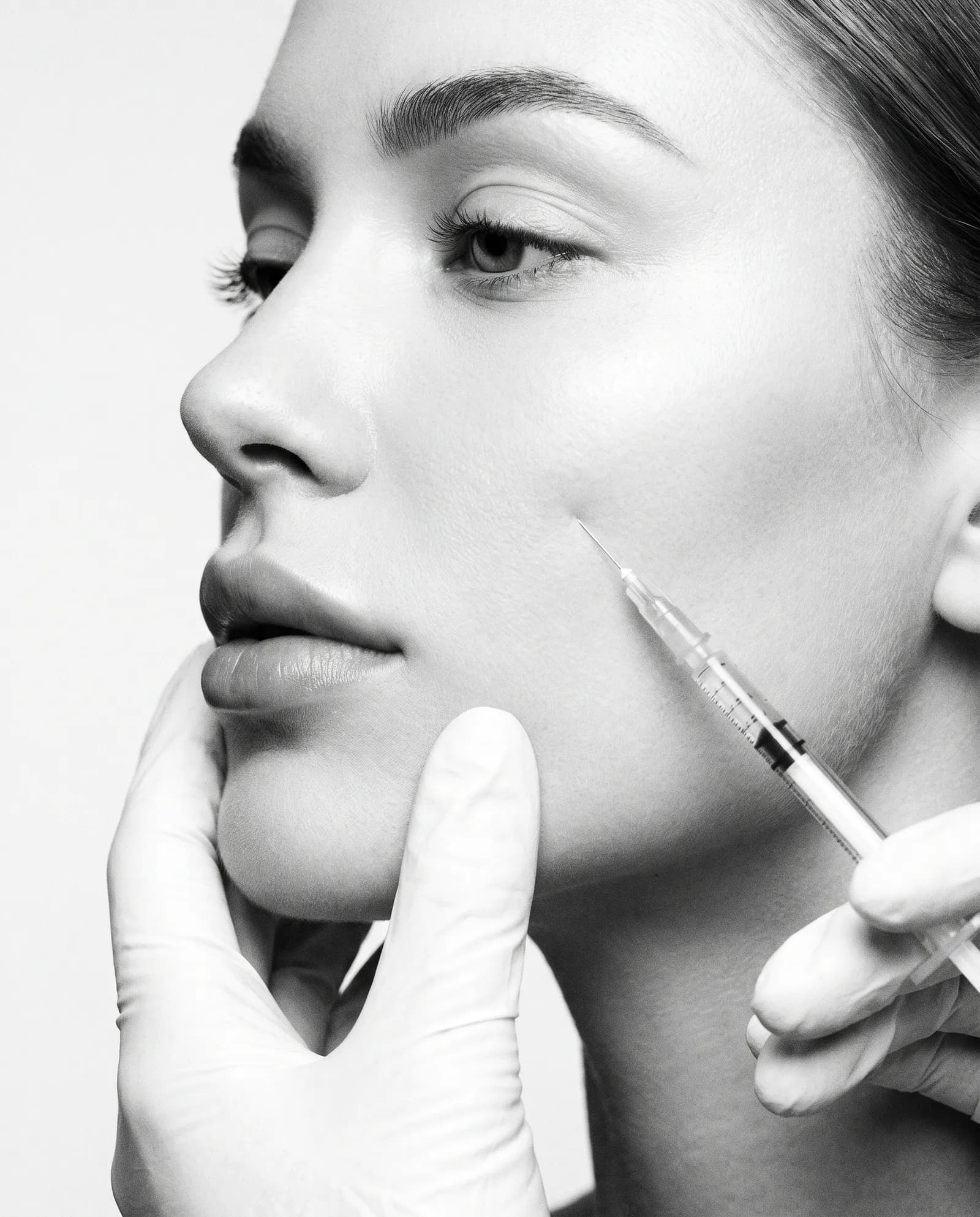
- Expression lines that have become static are softened with anti-wrinkle injections, a prescription-only medicine administered by a doctor.
Sequence matters. Pigment work is best done in autumn and winter when the skin is not being re-exposed, and any resurfacing needs strict sun avoidance afterwards.
A note on skin cancer
The same exposure that ages skin raises skin cancer risk, and reported cases in Malta have been rising for two decades. Any new or changing mole, a spot that bleeds or will not heal, should be seen by a doctor before any aesthetic treatment is considered.
Sources: GuideMeMalta on UV 10–11 forecasts, University of Malta sun exposure study.