Why summer in Malta is kidney-stone season, and how to drink your way out of it
Heat, sweat and concentrated urine make July and August peak months for kidney stones. A urologist's guide to the pain, the risk and the simple prevention.
The mechanism in one paragraph
A kidney stone forms when urine becomes concentrated enough for minerals, most often calcium oxalate, to crystallise and bind together. In heat you sweat more and pass less urine, so the same salts sit in less water. Add a salty diet, sugary drinks or a long day outdoors without fluids and the conditions are set. Urologists around the Mediterranean see stones peak in the hottest months, and hot, dry climates are a recognised risk factor.
What it feels like
- Sharp pain in the flank or lower back that comes in waves and may travel to the groin
- Blood in the urine, visible or found on a dipstick
- Burning or urgency when passing urine
- Nausea, and sometimes fever
Fever with flank pain is an emergency. A blocked, infected kidney needs same-day treatment.
How we investigate
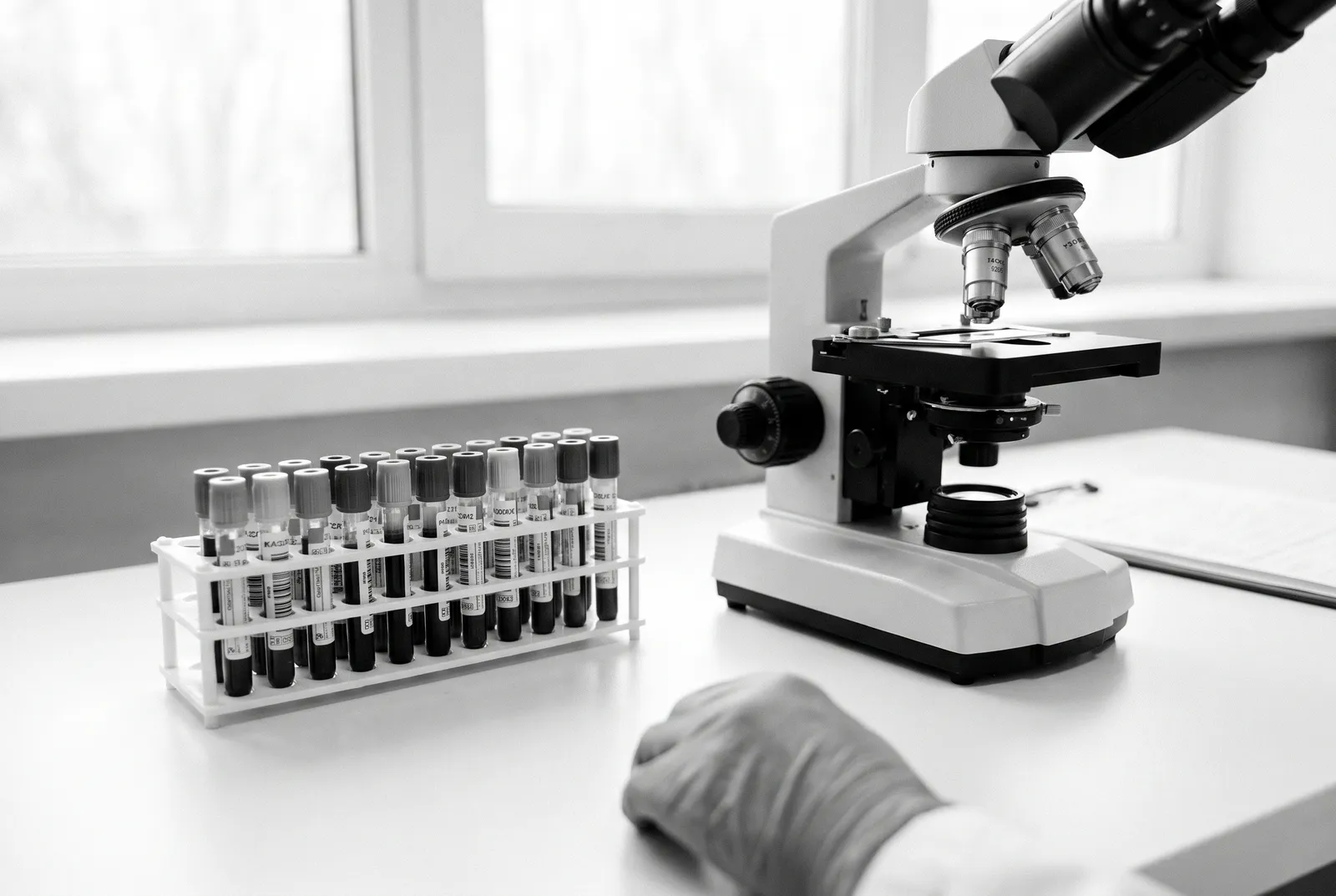
A urine test and kidney-function bloods come first. Ultrasound shows most stones and any swelling of the kidney; a low-dose CT is the most accurate test when the diagnosis matters for treatment. The stone's size and position decide what happens next.
Treatment, from least to most
- Watchful waiting with fluids and pain relief for small stones, which often pass on their own.
- Medication to relax the ureter and help a stone pass.
- Shock-wave lithotripsy, which breaks a stone from outside the body.
- Ureteroscopy, where a fine single-use scope reaches the stone and fragments it with a laser.
Most procedures are day cases. A temporary stent may be left in and removed within a week or two.
Prevention that works
- Volume. The target is pale urine throughout the day. In a Maltese August that usually means well over two litres of fluid, more with exercise or outdoor work.
- Citrate. Lemon or lime in water helps; citrate inhibits crystal formation.
- Salt. Sodium pushes calcium into the urine. Processed and restaurant food is the usual source.
- Do not cut calcium. Dietary calcium binds oxalate in the gut and lowers stone risk; it is supplements taken away from meals that can raise it.
- Analysis. If you pass a stone, keep it. Knowing its composition lets us tailor prevention instead of guessing.
If you have had one stone
Roughly half of people who form one stone will form another within years. A single review visit, a 24-hour urine collection and a short list of changes make a real difference to those odds.
Sources: Mayo Clinic on summer stone risk, Summer dehydration and kidney stones.