Jet lag, properly: light, timing and where a drip fits
Jet lag is a clock problem, and the clock is reset by light, not by vitamins. What the evidence supports for travellers arriving in Malta, and the honest role of IV hydration.
What jet lag is
Your body clock is set by light. Cross several time zones and the clock runs on the old schedule: you are alert at 03:00 and exhausted at lunch. The clock shifts about an hour a day on its own, faster westward than eastward. Everything that works for jet lag works by moving that shift along.
The evidence-based list
- Light at the right time. Arriving in Malta from the east (Asia, the Gulf), seek morning light and avoid bright evening light. Arriving from the west (Americas), get afternoon and evening light and keep mornings dim. Malta makes this easy ten months of the year.
- Set meals and sleep to local time from the first day, even if sleep is poor.
- Caffeine in the morning only, local time.
- Melatonin, low dose, at local bedtime for eastward travel. Discuss it with a doctor if you take other medication.
- Short naps, under thirty minutes, early in the day only.
Where a drip fits, honestly
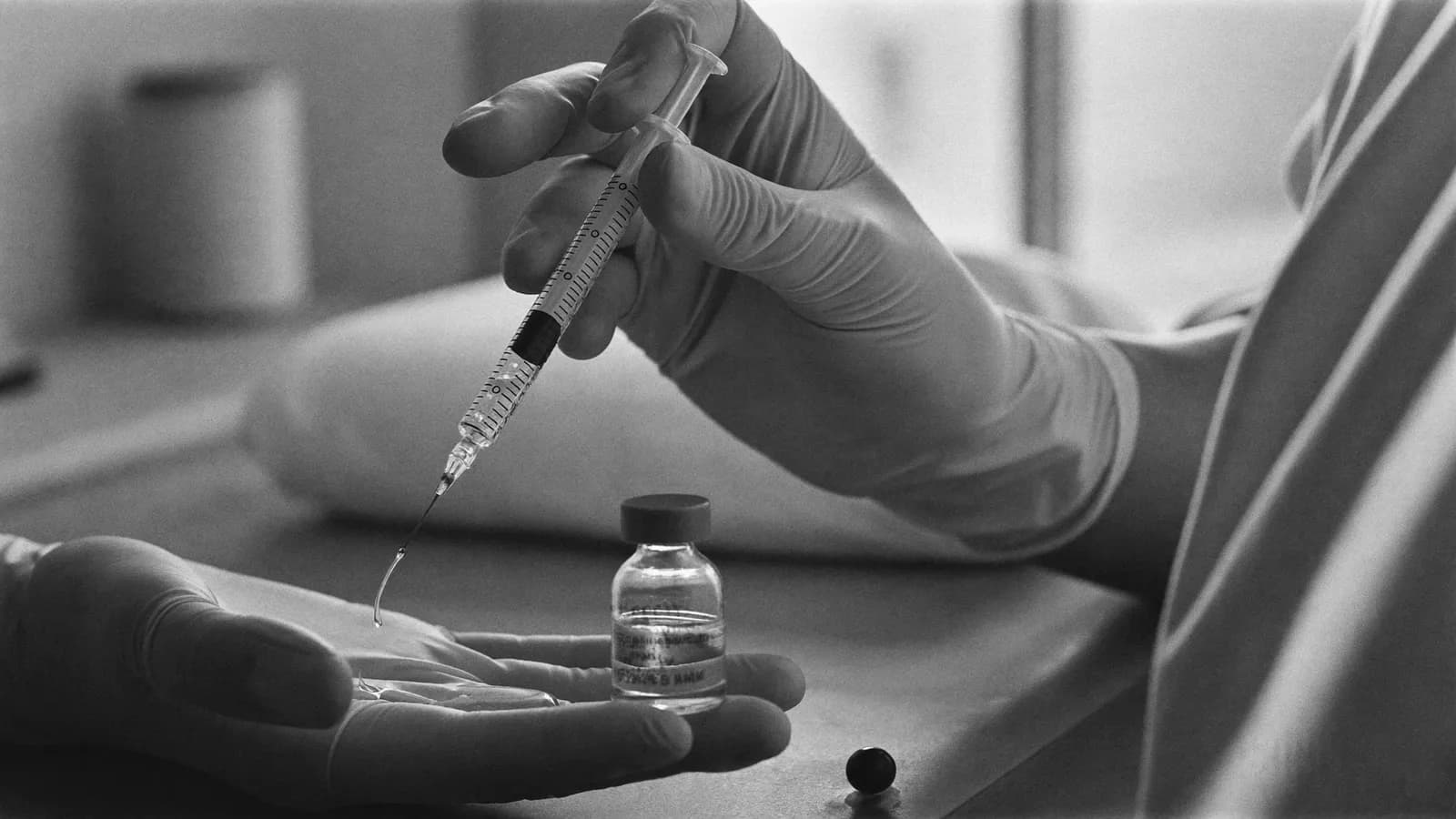
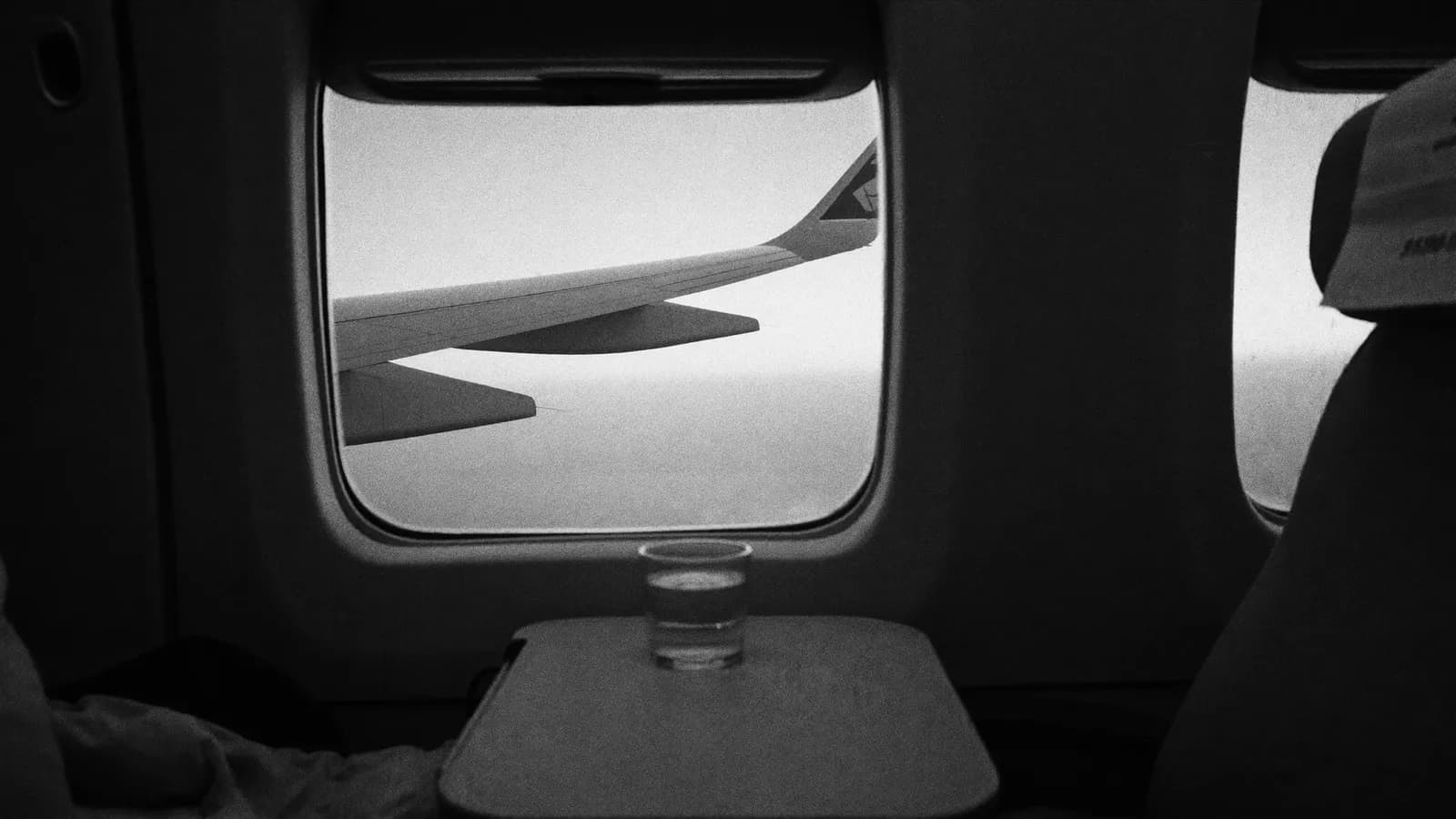
Long-haul flights dehydrate: cabin air is dry, alcohol is served, and water is easy to skip. Fatigue, headache and a general heaviness on arrival are partly fluid and electrolyte loss. An IV infusion corrects that in under an hour, which is why guests ask for it on arrival at hotels across Malta and Gozo through Bagira Concierge.
What it does not do is reset the clock. We say so before every infusion, because the combination of a drip and the light plan above is what actually works.
The medical check
Every infusion, in clinic or in a hotel room, follows a short assessment: medication, allergies, heart and kidney history, pregnancy. See IV drips in a Maltese summer for the full picture.
A simple arrival plan
Water on the plane. Drip on arrival if the day ahead is full. Then outside, into the light, and dinner at a Maltese hour.